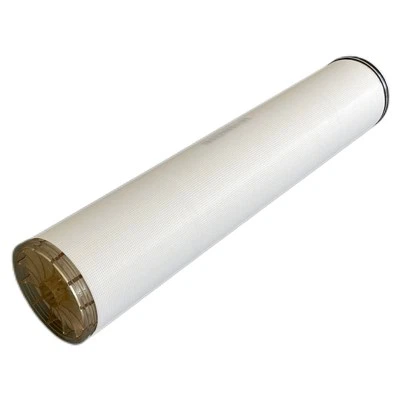
Hey there! I’m in the business of supplying nanofiltration membranes, and I’ve been thinking a lot about where this industry is headed. Nanofiltration membranes are pretty cool stuff. They’re like the ultimate filters, allowing some molecules to pass through while blocking others based on size and charge. So, what does the future hold for nanofiltration membrane development? Let’s dive in. Nanofiltration Membrane
Current State of Nanofiltration Membranes
First off, let’s talk about where we’re at right now. Nanofiltration membranes are already widely used in a bunch of different industries. In water treatment, they’re a game – changer. They can remove dissolved salts, organic compounds, and even some microorganisms from water. This is super important for providing clean drinking water, especially in areas where water sources are contaminated.
In the food and beverage industry, nanofiltration membranes are used for things like juice concentration and dairy processing. They help to separate different components of a liquid mixture without using high temperatures, which can affect the taste and nutritional value of the product.
In the pharmaceutical industry, these membranes are used for purifying drugs, separating different chemical compounds, and removing impurities. They’re also used in the production of biopharmaceuticals, like monoclonal antibodies.
But even though nanofiltration membranes are already doing a great job in these industries, there’s still a lot of room for improvement.
Challenges in the Current Market
One of the biggest challenges we face right now is fouling. Fouling happens when particles, microorganisms, or other substances stick to the surface of the membrane, reducing its efficiency and lifespan. This means that we have to clean the membranes more often, which can be time – consuming and expensive.
Another challenge is the cost. Nanofiltration membranes can be pretty pricey to produce. The materials used in their manufacture, like polymers and some specialty chemicals, can be expensive. And the production process itself is complex and requires a high level of precision.
There are also some limitations in terms of performance. For example, some membranes may not be able to handle very high pressures or extreme temperatures. And in some cases, the selectivity of the membranes (their ability to separate specific molecules) could be better.
Future Prospects
Technological Advancements
The future looks bright when it comes to technological advancements. Scientists and researchers are constantly working on developing new materials for nanofiltration membranes. For example, there’s a lot of interest in using graphene – based materials. Graphene is an incredibly strong and thin material with unique properties. It can be engineered to have pores of a specific size, which makes it ideal for selective filtration. Using graphene – based nanofiltration membranes could potentially improve the efficiency of the filtration process and reduce fouling.
Another area of research is in developing smart membranes. These are membranes that can change their properties in response to external stimuli, like changes in temperature, pH, or pressure. For instance, a smart membrane could increase its permeability when the pressure is high or change its selectivity based on the type of molecules present in the solution. This would make the filtration process more flexible and efficient.
Expansion into New Markets
As the technology improves, nanofiltration membranes are likely to expand into new markets. One area with a lot of potential is the energy sector. In the oil and gas industry, for example, nanofiltration membranes could be used for separating different components of crude oil, treating produced water, and even in carbon capture and storage.
In the agricultural sector, nanofiltration membranes could be used for treating agricultural wastewater and recycling water for irrigation. This would be a great way to conserve water resources, especially in areas facing water scarcity.
Environmental Sustainability
Environmental sustainability is becoming a big deal in every industry, and the nanofiltration membrane industry is no exception. In the future, we can expect to see more focus on developing membranes that are made from sustainable materials and have a lower environmental impact. For example, there are efforts underway to develop membranes from biodegradable polymers. These membranes would break down naturally after their useful life, reducing the amount of waste going into landfills.
Also, as energy efficiency becomes more important, new membrane designs are likely to be developed that require less energy to operate. This could involve reducing the pressure needed for filtration or making the membranes more permeable, so that the same amount of filtration can be achieved with less energy input.
How Our Products Fit into the Future
As a nanofiltration membrane supplier, we’re really excited about these future prospects. We’re constantly investing in research and development to stay ahead of the curve. We’re working on improving the performance of our membranes to reduce fouling and increase selectivity. We’re also looking into ways to use more sustainable materials in our manufacturing process.
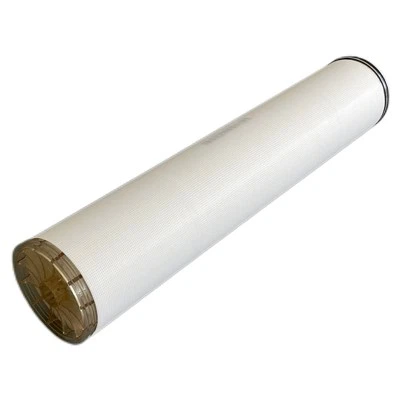
Our current range of products is already well – suited for the industries they serve. We offer a variety of membrane configurations, from spiral – wound to hollow – fiber, to meet the different needs of our customers. And we’re always willing to work closely with our customers to develop customized solutions for their specific applications.
Why You Should Choose Us
If you’re in the market for nanofiltration membranes, here’s why you should consider us. First of all, we have a team of experienced engineers and researchers who are dedicated to improving our products. We’re not just selling membranes; we’re providing a solution to your filtration needs.
We also offer excellent customer service. We understand that every customer is different, and we’re committed to working with you to find the best membrane for your application. Whether you need a small – scale solution for a laboratory or a large – scale system for an industrial plant, we’ve got you covered.
Contact Us for Purchasing
Pure Water System Interested in learning more about our nanofiltration membranes? Whether you have questions about our products, need help with a specific application, or are ready to place an order, we’d love to hear from you. Just reach out to us to start a conversation. Our team is standing by to assist you with all your nanofiltration membrane needs and to discuss a customized solution that fits your requirements.
References
- Baker, R. W. (2012). Membrane Technology and Applications. John Wiley & Sons.
- Mulder, M. (1996). Basic Principles of Membrane Technology. Kluwer Academic Publishers.
- Livingston, A. G., & Wei, J. (2019). Advanced Membranes for Energy – and Resource – Efficient Separation Processes. Chemical Society Reviews, 48(4), 1186 – 1205.
Hangzhou Nanoimp Environmental Technology Co., Ltd.
With abundant experience, we are one of the most professional nanofiltration membrane manufacturers and suppliers in China. Welcome to wholesale high quality nanofiltration membrane in stock here and get pricelist from our factory. We also accept customized orders.
Address: Road 25, Baiyang Street, Qiantang District, Hangzhou City, Zhejiang Province
E-mail: keith.wang@nano-sepmer.com
WebSite: https://www.nanoimp-membrane.com/
