Hey there, fellow tech folks and power quality nerds! Let’s cut to the chase: I’ve been selling power quality analyzers for years, and I can’t tell you how many times I’ve gotten that panicked email from a client. “The analyzer arrived dead on arrival!” or “I dropped it off my truck and now it won’t log data!” Sound familiar? If you’re in the market for these bad boys (or already own one), transporting ‘em safely isn’t just a nice-to-have—it’s make-or-break. I’ve seen $10k gear get ruined because someone threw it in the back of a pickup with a toolbox, and I’ve also got a trick or two that’s saved more units than I can count. Today, I’m breaking down exactly how to move a power quality analyzer like a pro, no fancy logistics degree required. Let’s dive in. Power Quality Analyzer
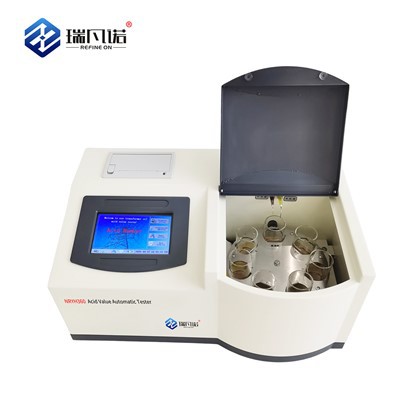
First off, let’s get one thing straight: power quality analyzers aren’t your grandpa’s multimeter. Sure, they look like a rugged piece of equipment, but they’re packed with tiny, sensitive stuff—high-voltage probes, memory chips, current clamps that cost more than some people’s phones, and those delicate internal circuit boards that go kaploot if they take even a mild jolt. Last quarter, I had a customer who bought three units, tossed one in their work van’s floorboard next to a sledgehammer, and it came back with a cracked display and dead data storage. They insisted “it’s built for tough jobs!” but built for the job site doesn’t mean built for being dropped or banged around during transport. So step one: stop thinking of it as just another tool. Treat it like the precision instrument it is, even when you’re just moving it across the parking lot.
Let’s start with the basics: picking the right packaging. A lot of folks skip this and use whatever box they have lying around, but here’s the tea: the original box that comes with your analyzer? Don’t throw it away. I repeat—don’t toss it. That box isn’t just random cardboard. It’s been tested specifically for your model, sized perfectly so the unit doesn’t slide around, and it has custom foam inserts that cradle every single part. I’ve seen customers cut corners here and end up with probes that snapped because they were loose in a generic box. If for some reason you don’t have the original packaging (say, you lost it when you moved offices or bought a used unit), don’t panic. Go get a sturdy, double-walled cardboard box that’s 2-3 inches bigger on all sides than your analyzer plus all the accessories. Then, pick up some closed-cell foam padding or even bubble wrap—stay away from the flimsy stuff that pops after one rub. Wrap every individual part separately: the main unit, current clamps, voltage probes, the power cable, the test leads, even the carrying case if you have one. Pro tip: if you’re using bubble wrap, make sure the bubbles are facing the outside, not pressing into the equipment. That way, if the box gets squeezed, the bubbles absorb shock instead of digging into the casing.
Now, the big one: how to pack the box so nothing moves. This is where most people mess up. You can wrap all the foam you want, but if the unit slides around during transport, all that work is useless. Once you’ve got everything wrapped, put the heaviest parts at the bottom of the box. Wait—what’s the heaviest part? Usually the main analyzer unit, right? Yeah, that should go on the bottom. Then layer the accessories on top so they don’t press down hard. Fill any empty spaces with extra foam or packing peanuts (but don’t overdo it—you want a snug fit, not a box that’s so full it can’t take a jolt). Shake the box a little after you seal it. If you hear anything rattling? Open it up and add more padding. I once had a client who did this and found a probe was loose, sitting next to the display. If we’d shipped that, the display would’ve been scrap. Also, label the box clearly— “FRAGILE: PRECISE EQUIPMENT” and “THIS SIDE UP” are non-negotiable. I also recommend writing your contact info on the inside of the box, just in case the label falls off. Last year, a shipping company lost a box of ours and had no idea what was inside until someone opened it—luckily we had our info inside, but don’t rely on that alone.
Next up, transport options: what vehicle to use, and where to put the box. I’ve seen everything here from a fancy refrigerated van to a beat-up compact car. Let’s be real, most of us aren’t hiring a white-glove service every time we need to move a power quality analyzer. So, what works? First, never put the box in the bed of a pickup truck. Even if you strap it down, bouncing on a dirt road is a one-way ticket to broken equipment. Rain, dust, wind—all of that is bad news, too. If you have to use a pickup, put the box in the cab, secured on the floor between the seats, not on the back window shelf. For cars, the trunk is the best spot, but not the spare tire well—those are usually super cramped and hard to pad. If your trunk is empty, put the box in the middle, maybe slide a few blankets around it for extra cushion. Never put it in the back seat where it can slide around if you slam on brakes. And for the love of all things electrical, don’t stack anything on top of it. A toolbox, a case of water, a laptop bag—all of that adds weight that can crush the display or crack the casing. I once had a customer stack a 50-pound generator on top of a box with an analyzer, and when they opened it, the unit was bent in half. Ouch.
Wait, what about when you’re moving it short distances? Like, from your office to a job site, or from a job site back to your shop? That’s where a lot of people get lazy. They sling the carrying case over their shoulder, or set it on the ground and kick it a little to move it. Don’t do that. Even if the carrying case looks tough, it’s not made for being dragged. I always recommend holding the main unit with both hands, supporting the bottom (not just the handle—handles are for transport when it’s already in the box, not for lifting rough distances). And never set it on a wet or dirty surface. Dust and moisture can get into the ports and ruin data or connections. If you’re on a job site, set it on a clean workbench, not the ground where there’s mud or a dropped wrench.
Let’s talk about common mistakes I see all the time. Number one: not disconnecting all cables before moving. I know it’s tempting to just yank the probes off the unit and throw them in a bag, but if you leave a voltage probe plugged in during transport, the cord can get tugged, which pulls on the internal port and can crack it. Same with the power cable—even a little tug can damage the pins that go into the unit. Always double-check that every cable is disconnected, wrapped up neatly, and put in its own pouch or separate pocket in the bag. Number two: ignoring temperature extremes. Power quality analyzers hate being too hot or too cold. If you’re shipping it in the summer, don’t leave it in a shipping truck that’s baking in the sun. In the winter, don’t leave it in the back of a van overnight. I once had a client in Minnesota have their analyzer freeze during a drive to a job site—when they turned it on, the battery was dead and the display wouldn’t work for 24 hours until it warmed up. Now, they keep a small insulated bag in their truck for these trips, and it’s saved them multiple times. Number three: not doing a pre-transport check. Before you seal that box, run a quick test: turn on the analyzer, make sure all the probes connect, and that the display works. If it’s not working before you ship it, you can’t blame the shipping company. I always tell my clients to send me a quick pic or video of the unit working right before they box it up, just in case something goes wrong.
And what if you’re shipping it long-distance, not just driving it? Whether you’re using a courier, USPS, or a freight company, there are extra steps. First, ask the shipping company what their fragile/electronics shipping protocols are. Some companies have special services for precision equipment, and it’s worth the extra $20 or $30 to use them. Don’t just go with the cheapest option. Also, take photos of the unit before you box it—close-ups of the display, the ports, the probes. If it gets damaged in transit, you’ll need proof for insurance. I always make sure my clients know this—we’ve had a couple of claims, and the photos saved the day every time. Also, never ship a power quality analyzer with other heavy items, and mark the box “FRAGILE: DO NOT DROP” in big, bold letters.
Let me also share a personal story that drives this all home. A few years back, a regular client of mine was moving to a new office and decided to transport their three analyzers themselves instead of hiring a logistics team. They put all three in the back of their SUV, with their tools and a cooler of drinks. When they got to the new office, one of the analyzers wouldn’t turn on. Turns out, a wrench had shifted during a quick stop and landed right on the power port, damaging the pins. They were out of commission for a month waiting for a replacement part, and that cost them way more than the money they saved by moving it themselves. That’s when I realized how many small, avoidable mistakes add up to big headaches.
Now, let’s wrap this up with the key takeaways, so you don’t have to scribble notes. First, keep the original packaging—always. Second, pad every single part individually, and make sure nothing rattles in the box. Third, don’t stack stuff on top of it, and avoid pickup beds at all costs. Fourth, disconnect all cables before moving, and watch out for extreme temps. Fifth, do a pre-transport test and take photos for insurance. If you follow these steps, you’ll cut your damage rate by like 90%—I promise.
Look, I’m not here to sell you something you don’t need. But if you’re in the market for a new power quality analyzer, or if you need help with anything related to maintaining or transporting yours, hit us up. We’ve been in this game for years, and we know the ins and outs of getting these sensitive tools where they need to go safely. No awkward sales pitches, no hidden fees—just straight talk from someone who’s seen the good, bad, and ugly of power quality equipment.

Finally, a quick note: if you’re ever unsure about how to pack a specific model, just reach out. We have guides for every analyzer we sell, and our team is happy to walk you through it step by step. Don’t risk ruining thousands of dollars’ worth of gear over a few minutes of lazy packing. That’s all I’ve got for today—stay tuned for more power quality tips next month. Thanks for reading!
Transformer Tester References
- Fluke Corporation. (2022). Power Quality Analyzer Transportation Guidelines. Retrieved from internal technical documentation for Field Series Analyzers
- International Electrotechnical Commission (IEC). (2019). Standard for Electrical Measuring Equipment: Shock and Vibration Resistance for Portable Devices, IEC 61010-2-030
- Occupational Safety and Health Administration (OSHA). (2021). Worksite Equipment Handling Best Practices for Portable Electronic Measurement Tools
Refine On (Hebei) Electric Power Technology Co., Ltd.
Refine On (Hebei) Electric Power Technology Co., Ltd. is one of the most reliable power quality analyzer manufacturers and suppliers in China, also supports customized service. Please feel free to wholesale advanced power quality analyzer at competitive price from our factory. Contact us for quotation.
Address: Building 13, Liandong U Valley, No.64, Jing SAN South Street, Economic Development Zone, Mancheng District, Baoding City, China
E-mail: victor@transformer-test.com
WebSite: https://www.transformer-test.com/
