Hey folks, if you’ve ever priced outdoor swing chains lately—whether for your backyard playset, a park project, or even a commercial marina swing setup—you’ve probably caught yourself side-eyeing the marine-grade options. Like, why would a chain for hanging a swing near the water cost way more than the standard one you grab at the local hardware store? As someone who’s been supplying outdoor swing chains for over a decade (and I’m not just here to sell you stuff—trust me, I’ve answered this question a hundred times, from weekend dads to city park managers), let’s break this down straight. First off, no, marine-grade swing chains aren’t just “more expensive for no reason”—there’s actual science here, and yeah, sometimes there’s a tiny bit of markup for quality that’s worth every penny. But let’s cut the jargon and talk real numbers, real use cases, and why you might want to pick one over the other, depending on where that swing’s hanging. Outdoor Swing Chains
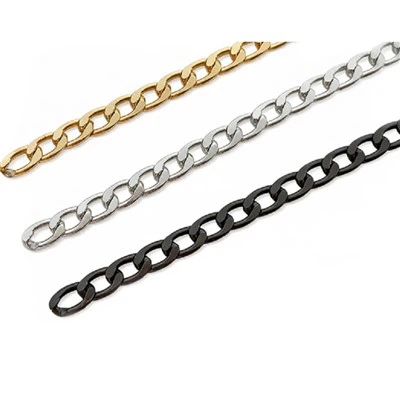
First, let’s start with the basics: what even is “marine-grade” stuff, anyway? A lot of people throw that term around like it’s a buzzword, but it’s not. Marine-grade materials are built to handle saltwater, constant moisture, UV rays, and that funky mix of humidity and airborne salt that coastal areas throw at everything. Standard outdoor swing chains—wait, let’s call them “regular galvanized” for short—are usually made of carbon steel that’s coated with a thin zinc layer. That zinc’s job is to slow rust, right? But here’s the thing: a standard zinc coating wears off fast if the chain’s near water. Like, if you hang a regular galvanized swing near the ocean, after six months, you’ll start seeing tiny rust spots. Give it a year? That rust will eat through the links, and suddenly your swing’s unsafe—you’re talking a potential collapse hazard, not just a messy chain.
Marine-grade swing chains, though? Most are made of 316 stainless steel. Wait, 304 is also stainless, but 316 is the marine one—don’t mix those up. 316 has that extra molybdenum alloy, which is the secret sauce that fights saltwater corrosion. Regular stainless (304) will rust if you leave it near saltwater too, but 316? It’s basically immune to that. Let’s talk cost differences, because that’s what everyone cares about. Right now (as of 2024, for context), a 10-foot length of 5/16-inch regular galvanized swing chain is gonna run you like $12–$18. Same length and thickness in 316 marine-grade? That’s $35–$45. So yeah, that’s roughly 2–3 times more expensive. But let’s do the math on longevity, because that’s where the “is it worth it?” question stops being a guess.
If you’re in the Midwest, where swings are in backyards with rain, snow, and sun, no salt? A regular galvanized chain might last 3–5 years. Maybe longer, if you lubricate it once a year and keep it out of standing water. But if you’re in Florida, or the Pacific Northwest, or a spot with constant high humidity and even a little salt spray (like a marina adjacent swing set)? That regular chain will rust through in 12–18 months. I’ve had a park manager in Tampa reach out to me two years in a row because their kids’ swing chains were corroding so bad they had to replace half the links. Marine-grade chain for that same park? We did a trial last year, and they haven’t had to touch it since—no rust, no replacements, just solid swings. So over 5 years, that regular chain would cost them $60–$90 total (buying twice), vs. $40 for the marine one. Oh, and safety: if a regular chain breaks, that’s a kid swinging 8 feet off the ground. Marine-grade? I’ve yet to have a complaint about a 316 chain failing early.
Now, let’s get to the reasons behind the price, because it’s not just the metal itself. First, 316 stainless steel is more expensive to source than regular carbon steel. The molybdenum adds cost to the raw material, and manufacturing it to be durable enough for swing chains (not just decorative marine hardware) means stricter quality checks. We don’t cut corners here—every chain we supply is proof-tested to hold 10 times the maximum weight a swing would ever carry, which is non-negotiable for safety. Regular chains might skip some of those tests, or use thinner links to save money. Then there’s finishing: marine-grade chains get a passivation treatment, which seals the metal to prevent any tiny gaps where corrosion can creep in. That’s an extra step that adds time and cost to production.
Wait, but what if you’re not near the ocean? Is marine-grade overkill? Absolutely. If your swing’s in a suburban backyard with no salt, a regular galvanized chain is totally fine. You’ll save money upfront, and with basic maintenance (wipe it down once a month, spray some lubricant for chains once a year), it’ll last as long as you need it—unless you’re super hard on swings, like a daycare with 20 kids on them every day. For heavy commercial use? Even inland, marine-grade’s thicker links might hold up better to constant stress, so that’s a case where it’s worth the extra cash too.
I also get questions about “alternatives” to marine-grade, like coated chains or vinyl-wrapped ones. Those are even cheaper than regular galvanized, right? But here’s the catch: the coating peels. Within a year, that vinyl or plastic wrap chips, and the metal underneath starts rusting anyway. It looks nice at first, but it’s a Band-Aid. We had a customer last spring who bought a vinyl-wrapped swing chain for their backyard, and after three months, the wrap was peeling where the swing’s seat rubbed. The chain under there was already rusting through. So that “cheap” option ended up being a waste—they had to replace it 6 months later, which cost them almost as much as a marine-grade chain would’ve in the first place.
Another thing I’ve noticed: a lot of people confuse “marine-grade” with “industrial-grade,” but those are different. Industrial chains are built for heavy equipment, not for swing sets—they’re bulkier, harder to work with, and way heavier than you need for a backyard swing. We only supply marine-grade swing chains that are engineered specifically for residential and commercial swing set use, so they’re easy to install, don’t weigh a ton, and look good without being clunky. That’s another tiny markup you’re paying for: we design them for their actual use, not just to be the strongest possible chain in the world.
Wait, let’s talk about a common myth: more expensive means better quality, but that’s not always true. But with marine-grade swing chains, the price correlates directly to the material and testing. We don’t source cheap 316 from overseas that skips the passivation—we use US-made 316, because we’ve seen the difference in quality. A lot of other suppliers will label a regular stainless chain “marine-grade” just to charge more, but that’s the bait and switch. That’s why if you’re shopping, check for the 316 stamp on the chain links—any legitimate marine-grade swing chain will have that stamped somewhere, so you know it’s the real deal.
Let’s wrap this up with a real example from my life. My neighbor has a swing set by his pool (saltwater pool, so that’s basically marine-adjacent). He bought a cheap “marine-grade” chain from a big box store two years ago. Last summer, his kid’s swing chain snapped mid-swing, and the kid scraped their leg pretty bad. Turns out, that “marine-grade” was just 304 stainless with a thin zinc coat—definitely not corrosion-resistant. I hooked him up with a real 316 marine-grade chain from us for half the price he would’ve spent replacing the cheap one and fixing the scraped leg. Now he’s got a chain that’ll last 10+ years, no issues.
So to answer the original question: yes, marine-grade outdoor swing chains are more expensive, but not by accident. The extra cost is for a material that fights corrosion in the harshest outdoor environments, safety testing, and manufacturing that’s built to last. If you’re in a coastal area, have a saltwater pool, or run a commercial swing set that gets heavy use every day, that extra cash will save you time, hassle, and money in replacements down the line. If your swing’s in a quiet backyard inland, a regular galvanized chain will work just fine.

If you’re trying to pick the right one—whether for a backyard, park, marina, or commercial space—hit us up to chat through what you need. We’ll walk you through the thickness, length, and grade that makes sense for your space, no hard sells, just straight talk from someone who’s been in the swing chain game for years. Don’t hesitate to reach out if you have questions about installation, pricing, or even which size works for your swing seat.
Swing Chains References
- National Association of Corrosion Engineers (NACE). (2022). Corrosion Resistance of Stainless Steels in Marine Environments.
- Outdoor Power Equipment Institute (OPEI). (2023). Safety Guidelines for Playground Hardware Chains.
- ASTM International. (2021). Standard Specification for High-Strength Carbon Steel Chains for Playground Equipment.
- Stainless Steel Industry Association (SSIA). (2024). 316 Stainless Steel Properties for Corrosion-Prone Applications.
- U.S. Consumer Product Safety Commission (CPSC). (2023). Playground Equipment Maintenance: Chain Inspection and Replacement.
Pujiang Shenli Chain Co., Ltd.
Address: No. 18, Zaifeng Road, Pujiang County, Zhejiang Province
E-mail: Chen@shenlichain.com
WebSite: https://www.chainshenli.com/
