As a supplier of grain coolers, I’ve witnessed firsthand the transformative power these machines have on the grain industry. One question that often arises is, "What is the impact of a grain cooler on the flavor of grains?" This is a topic that combines the science of grain storage with the art of grain consumption, and one that I’m excited to delve into. Grain Cooler
Understanding the Basics of Grain Storage and Flavor
Before we can discuss the impact of grain coolers on flavor, we need to understand how grains develop flavor and how storage conditions can affect it. Grains, like all agricultural products, are living organisms. They continue to breathe and undergo metabolic processes even after harvest. These processes can be influenced by factors such as temperature, humidity, and oxygen levels.
The flavor of grains is a complex interplay of various chemical compounds. For example, wheat contains starch, proteins, and enzymes that can break down these components into simpler sugars and amino acids. These compounds can react with each other and with other substances in the grain to produce a wide range of flavors and aromas. The Maillard reaction, for instance, is a chemical reaction between amino acids and reducing sugars that occurs when grains are heated. This reaction is responsible for the characteristic brown color and rich flavor of baked goods.
However, if grains are stored under unfavorable conditions, these processes can go awry. High temperatures can accelerate enzymatic activity, leading to the breakdown of starch and proteins and the production of unwanted flavors. For example, the oxidation of lipids in grains can produce rancid flavors and odors. Similarly, high humidity can promote the growth of mold and bacteria, which can also affect the flavor and quality of grains.
How Grain Coolers Work
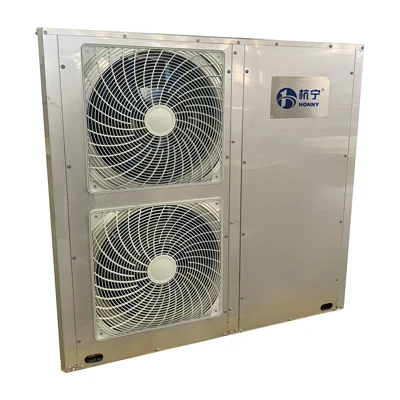
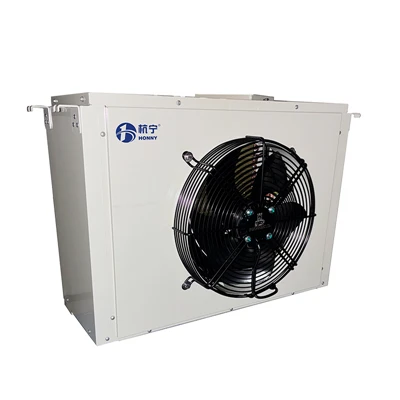
Grain coolers are designed to maintain optimal storage conditions for grains by controlling temperature and humidity. They work by drawing in ambient air, cooling it to a desired temperature, and then circulating it through the grain mass. This helps to remove heat and moisture from the grains, preventing the growth of mold and bacteria and slowing down enzymatic activity.
The cooling process is typically achieved using a refrigeration system or an evaporative cooling system. Refrigeration systems use a refrigerant to absorb heat from the air, while evaporative cooling systems use the evaporation of water to cool the air. Both methods are effective in reducing the temperature of the air, but refrigeration systems are generally more precise and can achieve lower temperatures.
Once the cooled air is circulated through the grain mass, it helps to create a more uniform temperature and humidity profile. This is important because it prevents the formation of hot spots and moisture gradients, which can lead to the development of mold and other quality issues. By maintaining a stable and cool environment, grain coolers can help to preserve the flavor and quality of grains for longer periods of time.
Impact on Flavor Preservation
One of the primary benefits of using a grain cooler is its ability to preserve the natural flavor of grains. By keeping the temperature and humidity levels within an optimal range, grain coolers can slow down the metabolic processes that can lead to flavor deterioration. This means that grains stored in a cooled environment are more likely to retain their original flavor and aroma.
For example, in the case of wheat, a grain cooler can help to prevent the oxidation of lipids, which can cause the development of rancid flavors. By keeping the temperature low, the cooler can also slow down the activity of enzymes that break down starch and proteins, preserving the natural sweetness and texture of the wheat. This is particularly important for high-quality wheat varieties that are used in the production of artisanal breads and pastries.
Similarly, for rice, a grain cooler can help to maintain the integrity of the starch granules, preventing them from breaking down and becoming sticky. This can result in a more fluffy and flavorful rice, which is highly desirable in many cuisines around the world. In addition, by preventing the growth of mold and bacteria, grain coolers can help to ensure that the rice remains safe to eat and free from off-flavors.
Impact on Flavor Development
In some cases, a grain cooler can also have a positive impact on flavor development. For example, in the production of certain types of beer, grains are often malted to develop the enzymes needed for fermentation. The malting process involves germinating the grains and then drying them at a specific temperature. A grain cooler can be used to control the drying process, ensuring that the grains are dried at a consistent temperature and humidity. This can help to develop a more complex and desirable flavor profile in the malt, which can ultimately enhance the flavor of the beer.
In addition, some grains, such as coffee beans, are often aged to develop their flavor. During the aging process, the beans undergo a series of chemical changes that can result in the development of new flavors and aromas. A grain cooler can be used to store the coffee beans at a low temperature, which can slow down the aging process and allow the flavors to develop more slowly and evenly. This can result in a more balanced and complex flavor profile in the coffee.
Case Studies and Real-World Examples
To illustrate the impact of grain coolers on the flavor of grains, let’s look at some real-world examples. A large-scale wheat farmer in the Midwest of the United States was experiencing problems with the quality of his wheat due to high temperatures and humidity during storage. The wheat was developing a musty odor and a bitter flavor, which was reducing its market value. After installing a grain cooler in his storage facility, the farmer noticed a significant improvement in the quality of his wheat. The musty odor was eliminated, and the wheat had a more natural and pleasant flavor. As a result, the farmer was able to sell his wheat at a higher price and improve his profitability.
In another example, a craft brewer in Europe was struggling to achieve a consistent flavor profile in his beers. He found that the quality of his malt was inconsistent, which was affecting the flavor of his final product. After investing in a grain cooler to control the drying process of his malt, the brewer was able to achieve a more consistent and desirable flavor profile in his beers. This led to an increase in customer satisfaction and an expansion of his business.
Conclusion
In conclusion, the impact of a grain cooler on the flavor of grains is significant. By maintaining optimal storage conditions, grain coolers can help to preserve the natural flavor of grains, prevent the development of off-flavors, and even enhance flavor development in some cases. Whether you’re a farmer, a food processor, or a brewer, investing in a grain cooler can be a smart decision that can improve the quality of your products and increase your profitability.
Ice Bath Machine If you’re interested in learning more about how a grain cooler can benefit your business or have any questions about our products, please feel free to reach out to us. We’re here to help you find the right solution for your grain storage needs and ensure that your grains maintain their delicious flavor.
References
- White, N. D. G., & Jayas, D. S. (Eds.). (2009). Postharvest technology and food security. Academic Press.
- Hall, C. (2012). Grain storage: A practical guide. CABI.
- Pomeranz, Y. (Ed.). (1988). Wheat: Chemistry and technology. American Association of Cereal Chemists.
Hangzhou Honny Heat Energy Technology Co., Ltd.
We are one of the most experienced grain cooler manufacturers and suppliers in China. With a professional production team, we are able to meet the needs of the majority of our customers. Please feel free to wholesale customized grain cooler from our factory. Also, quotation is available.
Address: Dingshan Village, Wenyan Subdistrict, Xiaoshan District, Hangzhou City, Zhejiang Province
E-mail: 524435406@qq.com
WebSite: https://www.hnrnkj.com/
