What is the best way to seal an essential oil dropper bottle?
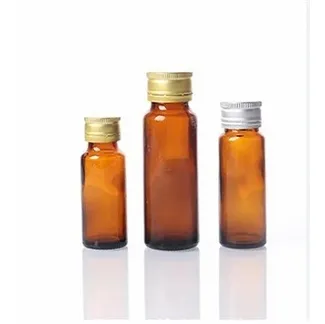
As a seasoned supplier in the field of essential oil dropper bottles, I’ve witnessed firsthand the pivotal role that proper sealing plays in maintaining the integrity and quality of essential oils. The journey to finding the best sealing method is a blend of science, practicality, and aesthetics. In this blog, I’ll share my insights into what constitutes the best way to seal an essential oil dropper bottle, taking into account factors such as preservation, usability, and environmental impact. Essential Oil Dropper Bottles
Understanding the Importance of Sealing Essential Oil Bottles
Essential oils are highly volatile substances, containing a complex mixture of aromatic compounds that can easily evaporate, oxidize, or react with external factors such as air, light, and moisture. A proper seal acts as a barrier, protecting the oils from these elements and ensuring their longevity and therapeutic properties. Without adequate sealing, essential oils can lose their potency, aroma, and effectiveness over time, leading to a subpar customer experience.
Types of Seals for Essential Oil Dropper Bottles
There are several types of seals commonly used for essential oil dropper bottles, each with its own set of advantages and disadvantages. Let’s explore some of the most popular options:
1. Screw Caps with Dropper Inserts
Screw caps with dropper inserts are one of the most common and practical sealing options for essential oil bottles. These caps are easy to use, providing a secure and leak-proof seal when tightened properly. The dropper insert allows for precise dispensing of the oil, making it convenient for users to measure the desired amount. Additionally, screw caps are available in a variety of materials, such as plastic and glass, and can be customized with different colors and designs to suit the branding needs of essential oil manufacturers.
However, one potential drawback of screw caps is that they may not provide the highest level of protection against air and moisture over an extended period. Over time, the threads of the cap may loosen, allowing air to enter the bottle and causing the oil to oxidize. To mitigate this risk, it’s important to choose high-quality screw caps with a tight-fitting design and to ensure that they are tightened securely after each use.
2. Dropper Caps with Rubber Bulbs
Dropper caps with rubber bulbs are another popular choice for essential oil dropper bottles. These caps feature a rubber bulb attached to a glass or plastic dropper, which allows for easy and accurate dispensing of the oil. The rubber bulb creates a vacuum when squeezed, drawing the oil up into the dropper and releasing it when pressure is applied.
One of the main advantages of dropper caps with rubber bulbs is their ability to provide a tight seal, preventing air and moisture from entering the bottle. The rubber bulb also acts as a buffer, reducing the risk of spills and leaks. However, it’s important to choose high-quality rubber bulbs that are resistant to essential oils, as some oils may cause the rubber to deteriorate over time. Additionally, rubber bulbs may need to be replaced periodically to maintain their functionality.
3. Roll-On Caps
Roll-on caps are a convenient and mess-free option for applying essential oils topically. These caps consist of a small ball bearing that rotates within a metal or plastic housing, allowing the oil to be evenly distributed as the bottle is rolled over the skin. Roll-on caps are typically made of materials such as plastic or metal, and they can be customized with different sizes and shapes to suit the needs of the user.
One of the benefits of roll-on caps is that they provide a controlled and precise application of the oil, making them ideal for targeting specific areas of the body. They also offer a convenient alternative to traditional dropper bottles, as they can be easily carried in a purse or pocket. However, roll-on caps may not provide the same level of airtight protection as screw caps or dropper caps with rubber bulbs, and they may require more frequent refilling.
4. Child-Resistant Caps
For essential oil manufacturers who are concerned about safety, child-resistant caps are an important consideration. These caps are designed to be difficult for children to open, while still being easy for adults to use. Child-resistant caps typically feature a combination of locking mechanisms, such as push-and-turn or squeeze-and-turn designs, that require a certain amount of force or dexterity to open.
While child-resistant caps provide an added layer of safety, they may also be more expensive and less convenient to use than traditional caps. It’s important to choose child-resistant caps that meet the relevant safety standards and regulations, and to ensure that they are properly installed and tested before use.
Factors to Consider When Choosing a Sealing Method
When choosing the best way to seal an essential oil dropper bottle, there are several factors to consider, including:
1. Preservation of the Oil
The primary goal of sealing an essential oil bottle is to preserve the integrity and quality of the oil. The sealing method should provide a tight and airtight barrier, preventing air, light, and moisture from entering the bottle and causing the oil to deteriorate. It’s important to choose a sealing material that is compatible with the specific type of essential oil being used, as some oils may react with certain materials over time.
2. Ease of Use
The sealing method should be easy for users to open and close, without requiring excessive force or complicated instructions. It should also allow for precise dispensing of the oil, making it convenient for users to measure the desired amount. Additionally, the sealing method should be easy to clean and maintain, ensuring that the bottle remains hygienic and free from contaminants.
3. Aesthetics
The appearance of the sealing method can also play a role in the overall appeal of the essential oil product. The cap or closure should complement the design and branding of the bottle, and it should be visually appealing to the target audience. Customization options, such as colors, shapes, and logos, can help to differentiate the product from competitors and enhance its marketability.
4. Environmental Impact
In today’s environmentally conscious market, it’s important to consider the environmental impact of the sealing method. Choose materials that are recyclable, reusable, or biodegradable, and avoid using excessive packaging or single-use plastics. By making sustainable choices, essential oil manufacturers can reduce their carbon footprint and appeal to eco-conscious consumers.
Best Practices for Sealing Essential Oil Bottles
In addition to choosing the right sealing method, there are several best practices that can help to ensure the proper sealing and preservation of essential oil bottles:
1. Clean and Dry the Bottles
Before filling the bottles with essential oils, make sure they are clean and dry. Wash the bottles with hot, soapy water and rinse them thoroughly to remove any dirt, debris, or residue. Allow the bottles to dry completely before filling them to prevent the growth of bacteria or mold.
2. Fill the Bottles Properly
When filling the bottles with essential oils, be careful not to overfill them. Leave some headspace at the top of the bottle to allow for expansion and contraction of the oil due to changes in temperature. Overfilling the bottles can cause the oil to spill or leak, and it can also increase the risk of oxidation.
3. Tighten the Caps Securely
After filling the bottles with essential oils, make sure the caps are tightened securely. This will help to create an airtight seal and prevent air and moisture from entering the bottle. Use a cap torque tester to ensure that the caps are tightened to the correct specifications.
4. Store the Bottles Properly
Proper storage is essential for maintaining the quality and potency of essential oils. Store the bottles in a cool, dark, and dry place, away from direct sunlight, heat, and moisture. Avoid storing the bottles in the refrigerator, as this can cause the oil to solidify and become difficult to dispense.
Conclusion

In conclusion, the best way to seal an essential oil dropper bottle depends on a variety of factors, including the type of oil, the intended use, and the preferences of the user. By choosing the right sealing method and following best practices for filling, storing, and using essential oil bottles, essential oil manufacturers can ensure the long-term preservation and quality of their products. As a supplier of essential oil dropper bottles, I’m committed to providing high-quality sealing solutions that meet the needs of my customers and help them to deliver the best possible essential oil experience.
Cap If you’re interested in learning more about our essential oil dropper bottles and sealing solutions, or if you’d like to discuss your specific requirements, please don’t hesitate to contact me. I look forward to working with you to find the perfect sealing solution for your essential oil products.
References
- American Spice Trade Association (ASTA). Essential Oil Industry Standards and Best Practices. ASTA, 2023.
- International Organization for Standardization (ISO). ISO 4734:2016 – Essential oils – Determination of carbonyl value – Free hydroxylamine method. ISO, 2016.
- United States Pharmacopeia (USP). USP-NF Monographs: Essential Oils. USP, 2023.
Aohui Packaging Products Co., Ltd.
We’re well-known as one of the leading essential oil dropper bottles manufacturers in China, also support custom service. Please feel free to wholesale customized essential oil dropper bottles at competitive price from our factory. Welcome to view our website for more information.
Address: Baisheng Building, Zhongshan Road, Shinan District, Qingdao
E-mail: aohuipack@qq.com
WebSite: https://www.ahglassbottle.com/
