Hey guys, if you’ve ever worked with industrial parts, electronics, or even medical gear, you’ve probably crossed paths with alumina ceramic without even realizing it. I’ve been selling alumina ceramic products for like 8 years now, and the number of people who go “wait, that’s made of ceramic? Not plastic or metal?” still blows my mind. A lot of new clients hit me up asking what this stuff even comes in, so I figured I’d break down the most common forms we stock here—no super jargon-heavy stuff, just real talk from someone who’s actually got to ship this junk to shops and factories every week. Let’s dive in. Alumina Ceramic

First off, let’s keep it simple: alumina ceramic is basically aluminum oxide, right? We mill it into powder, shape it, fire it at crazy high temps (like 3,000°F or more—insane), and end up with this stuff that’s way harder than steel, way more corrosion-resistant than most metals, and even insulates like a boss when it comes to heat and electricity. That combo makes it the go-to for so many industries. Now, what are the actual forms it takes? Let’s start with the one that probably comes up most in our inbox: custom machined components. Wait, no, hold on—wait, maybe I should split this into categories that make sense for what people actually order, not some textbook list. Let’s go with the forms people actually ask for, because that’s what matters for you guys buying this stuff.
First one: Custom-Machined Alumina Ceramic Parts. Like, so many of our clients don’t want a pre-made block or a round thing—they need something cut exactly to their specs for a machine or a new electronic device. Last month we shipped a batch of tiny, oddly shaped ceramic insulators to a tech startup that’s making a new EV charger. The tricky part here is alumina is super brittle, so machining it isn’t like cutting metal. We use diamond tools, basically, because regular steel drills would shatter this stuff. Common custom parts we do? Gears for industrial pumps (they don’t rust like steel gears do when you’re pumping chemicals), sensor housings for deep-well drilling (they can handle being 10,000 feet under pressure and don’t corrode from mud), and even tiny nozzles for paint sprayers—no clogging, no wearing out like brass nozzles. A lot of folks ask if we do standard sizes, and yeah, but like 70% of our orders are custom. That’s why I say if you need something that’s not off the shelf, just send me your drawing or a part that matches what you need, and we can get it done.
Next up: Preformed Shapes & Standard Stock Parts. Wait, this is the stuff that’s ready to go, no machining needed. Think of this as the “off-the-rack” of alumina ceramic, versus custom being “made-to-measure.” The biggest here is alumina ceramic tubes. Oh man, tubes are everywhere. We sell them by the thousands—small ones for lab glassware replacements (regular glass breaks if you heat it super fast, ceramic doesn’t), medium ones for furnace liners (furnaces run hot 24/7, ceramic holds up way better than metal liners), and even big ones for heat exchangers in power plants. Then there are rods—straight, round alumina rods, mostly used as guides in conveyor systems or as pins for holding things in place in kilns (they don’t melt or warp in 3,000°F heat, which is wild). We also do standard blocks, like 4x4x8 inch blocks that clients machine themselves, or use as spacers in industrial machinery. Last week a metal stamping company bought a bunch of these blocks to make custom dies—they said ceramic doesn’t scratch the sheet metal like steel does, so the parts come out smoother.
Wait, another big one that a lot of people sleep on: Alumina Ceramic Coatings. No, not the paint kind—this is when we spray or apply a thin layer of alumina onto a metal or another material to make it tougher, more corrosion-resistant, or better at insulating. For example, if you have a steel pump that keeps breaking because it’s pumping acidic chemicals, we can spray a thin alumina coating on the inside of the pump housing, and suddenly it lasts 10x longer. We also coat heating elements for ovens or boilers—alumina doesn’t conduct electricity, so it keeps the heat where it needs to be, not leaking out. A lot of aerospace clients hit us up for coatings on turbine parts, too—they deal with super hot exhaust, and alumina coatings act as a thermal barrier that makes the parts last way longer. The cool thing about coatings is you don’t have to replace the whole part, just give it a new layer. We did a job for a food processing plant once that had stainless steel mixing tanks that were getting scratched and harboring bacteria—we sprayed a thin alumina coating on them, and now they pass health inspections way easier, plus they clean faster. Super useful.
Wait, let’s not forget about Porous Alumina Ceramic. Yeah, this is the stuff that has tiny little holes all through it, like a sponge, but way more durable. Most people know this from lab filters, right? But it’s used for so much more. We sell porous alumina plates for water purification systems—they filter out tiny contaminants that regular plastic filters miss, and they can be cleaned and reused hundreds of times, so way cheaper in the long run. We also do porous ceramic for catalytic converters in cars—those little honeycomb-looking things? Alumina, because it can handle the hot exhaust and has a huge surface area for the catalyst to work. Oh, and fans of espresso? Wait, a lot of high-end espresso machines use porous alumina filters too, right? They let the water flow evenly through the coffee grounds, so you get a better shot. I never thought about that until a barista emailed us asking for small porous discs for their custom machines—wild how this stuff gets into everyday life.
Then there’s High-Density Alumina Ceramic. Wait, this is a step up from regular alumina—95% or higher alumina content, instead of the 80-90% we use for most general parts. It’s way harder, way more wear-resistant, and even better at insulating. Common uses here: ball bearings for industrial equipment, because they don’t rust and they can handle way more friction than steel bearings. We had a mining company order a bunch of these a while back—their steel bearings kept wearing out in the dusty, acidic mines, and the alumina ones have lasted 3 years so far, no issues. Also, crucibles for melting metals or glass—those little cups you heat samples in for lab tests? High alumina, because they can handle super high temps and won’t react with whatever you’re melting. Last year we shipped a set of crucibles to a jewelry maker who was melting gold and silver—they said the ceramic ones didn’t crack even when they heated the metal way past its melting point, which their old graphite ones did all the time.
Wait, hold on, should I mention something about how people mix up alumina with other ceramics? Yeah, that’s a common question. A lot of folks think all ceramic is the same, but no—alumina is way cheaper than zirconia, way more heat-resistant than steatite ceramic, and perfect for most industrial and consumer applications. I had a client last year who bought the wrong ceramic for a furnace liner—they got steatite, which can only handle like 2,000°F, not the 2,800°F their furnace ran at, so it melted in a week. Oops. That’s why knowing what form you need is half the battle.
Let me also throw in a little real talk about why we love this stuff, from a supplier’s perspective. It’s not perfect—if you drop it, it cracks, same as any ceramic. But it’s way more versatile than people give it credit for. We’ve shipped parts to medical device makers (alumina is biocompatible, so it’s used in hip replacements, believe it or not), to phone manufacturers (tiny ceramic insulators inside 5G towers), to farmers (wear parts for plows that don’t wear out in rocky soil). It’s not just some industrial weirdo material—it’s everywhere, just hidden.
Now, if you’re reading this and thinking “hey, I need some alumina ceramic parts for my job,” here’s what you should know. First, don’t overcomplicate it. If you need a standard tube or rod, we’ve got those stocked and ship in 2 days, no hassle. If you need something custom, just send me your specs—even if it’s a rough sketch, or a photo of a part you’re replacing, we can help you refine it. Most of the time, custom parts take 1-2 weeks to make, which is way faster than people think. And if you’re not sure which form you need? Hit me up anyway—no stupid questions. I’ve been doing this long enough to tell you if you need porous or high-density, a custom machined part or a standard tube.
Wait, let me wrap this up. The key takeaway here is alumina ceramic isn’t one single thing—it comes in so many forms, each tailored to different jobs. From standard tubes you can grab off the shelf to custom parts made exactly to your machine’s needs, from thin coatings that extend part life to porous filters that clean water, this material solves so many problems other materials can’t. If you’re working on a project that needs something tough, heat-resistant, or corrosion-proof, alumina ceramic is almost always worth checking out.
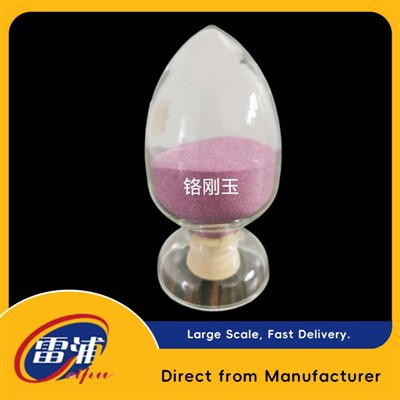
If you’re ready to order, or just want more info on any of these forms, feel free to reach out to our team to talk through your needs. We’re happy to send samples, answer questions, even help you design a part if you’re not sure where to start. No pressure, just real advice from people who actually use and ship this stuff every day.
Other Fused Alumina-Based Materials References
- Introduction to Alumina Ceramics, American Ceramic Society
- Alumina Ceramic Applications, Industrial Ceramic Association
- Properties and Forms of Aluminum Oxide, Journal of Materials Engineering and Performance
Shandong Leipu New Material Technology Co., Ltd.
With abundant experience, we are one of the most professional alumina ceramic manufacturers and suppliers in China. Please feel free to buy high quality alumina ceramic for sale here and get quotation from our factory. For price consultation, contact us.
Address: Advanced Ceramic Industry Innovation Park, No. 125, Liuquan Road, High-tech Zone, Zibo City, Shandong Province
E-mail: 2330389088@qq.com
WebSite: https://www.sdleipu.com/
