When I first started selling AS 2129 flanges back in 2008, I thought the biggest challenge was just getting customers to understand the difference between Australian standard flanges and the ASME B-series ones they’d been using for years. Over the decades, I’ve learned that most of the issues my clients face down the line don’t have anything to do with the flange being the wrong size or grade—they’re about corrosion. It’s the quiet problem that creeps in after installation, causes leaks, shuts down production lines, and costs companies thousands of dollars in unplanned downtime. If you’re reading this and you’ve ever had a flange failure that shut your plant down for a weekend, you know exactly what I’m talking about. Today, I want to walk you through what causes AS 2129 flange corrosion, how to spot it early, and the steps we’ve refined over years of supplying flanges to mining, chemical processing, and water treatment industries to help our customers handle it right. As 2129 Flange

First, let’s get clear on what AS 2129 flanges are, because I still meet engineers who mix them up with other standard flanges. AS 2129 is the Australian standard for steel flanges, designed for pressure vessel and piping applications in regions where they need to meet strict local pressure and temperature specifications, and where corrosion resistance is non-negotiable. Our flanges come in carbon steel (for general low-corrosion environments), galvanized carbon steel, and various grades of stainless steel—including 304, 316, and even duplex stainless steel for harsher settings. The mistake I see most often is people buying a generic flange that fits the bolt circle, but not matching the material grade and surface treatment to the exact environment the flange will live in. That’s the root of most corrosion problems, really—mismatched materials to service conditions.
Let’s start with the most common types of corrosion we see on AS 2129 flanges, because knowing what you’re looking for is half the battle.
First, uniform corrosion. That’s the gradual, even thinning of the flange surface, usually from exposure to continuous moisture, mild chemicals, or atmospheric conditions. It’s the one you can spot by a dull, rough patina forming on the face of the flange or the edges of the weld neck or slip-on. For example, if a flange made of basic carbon steel is installed in a coastal area where salt-laden air is present, uniform corrosion can eat through the material in 5 to 7 years if not protected. Most clients notice this when they tighten bolts and see flaking rust or when the flange face is pitted enough that gaskets don’t seal properly anymore.
Then there’s crevice corrosion, which is a sneaky one. This happens in tight gaps—between the flange face and the gasket, between the bolt and the nut, or between the flange and the pipe it’s welded to. Stagnant water or chemicals get trapped in these gaps, creating a low-oxygen environment that speeds up corrosion way faster than uniform exposure. We had a client at a gold processing plant last year who lost a 12-inch slurry line because of crevice corrosion between a stainless steel 316 flange and a compressed fiber gasket. The gap between the two trapped acidic slurry, and within 18 months, the flange had a pinhole leak. By the time they found it, they’d lost 4 hours of production and thousands of liters of slurry. Crevice corrosion is particularly common on stainless steel AS 2129 flanges, because the passive oxide layer that protects stainless steel gets compromised in those tight, oxygen-poor spots.
Next, pitting corrosion. This is the worst kind, in my opinion—small, localized holes that form on the flange surface, often barely visible from the outside, until they suddenly blow out. Pitting is usually caused by chloride ions, which are everywhere in water, air, and many industrial fluids. Even a tiny amount of chloride can eat through the passive layer on stainless steel, creating pits that grow inward. We saw this with a municipal water treatment client in Sydney, who installed 20 stainless steel flanges in their raw water line back in 2019. By 2022, 6 of them had pinhole pitting, and testing showed the raw water had low-level chloride contamination from nearby stormwater runoff. The client thought they’d bought a corrosion-resistant flange, but they didn’t account for the hidden chloride in their specific water source.
Galvanic corrosion is another big one, especially when you mix different metals in a piping system. AS 2129 flanges are often paired with pipes made of different materials—say, a carbon steel flange welded to a stainless steel pipe, or a galvanized flange connected to a copper pipe. When two dissimilar metals are in the presence of an electrolyte (like water or moisture), a tiny electric current flows between them, corroding the more reactive metal. Last year, a construction firm called us because their pipeline for a new building had a leak 6 months after installation. It turned out they’d used a galvanized carbon steel AS 2129 flange connected to copper pipes, and galvanic corrosion had eaten through the flange’s surface at the connection point.
So, now that we know what we’re up against, what can you actually do to prevent and handle AS 2129 flange corrosion? Over the years, we’ve worked with clients to implement a four-step process that starts before the flange even leaves our warehouse, and continues through its entire service life.
First, match the flange material and surface treatment to the exact service environment. This sounds basic, but you’d be shocked how many clients skip this step. Let’s break it down: for low-corrosion environments, like clean water lines or mild atmospheric conditions, our standard AS 2129 hot-dip galvanized carbon steel flanges work great—they’re cost-effective and have a long service life of 15 to 20 years. For environments with mild chemicals or moderate moisture, 304 stainless steel flanges are a good choice, resistant to most common industrial fluids and atmospheric corrosion. But if you’re dealing with high chloride levels, acidic slurries, or saltwater, you need to step up to 316 stainless steel, or even duplex stainless steel for the harshest settings. We had a mining client in Western Australia who was using 304 flanges in their tailings line—after 3 years, they were seeing pitting corrosion. We switched them to 316 AS 2129 flanges, and in the 4 years since, they haven’t had a single corrosion-related leak. It’s a small upgrade in material that pays off big in the long run. Also, surface treatment matters: for carbon steel flanges, hot-dip galvanizing is far more durable than paint, because it forms a thick, protective layer that covers every surface, including edges and tight spots. For stainless steel, ensuring the flange is properly passivated after manufacturing removes free iron on the surface, which prevents corrosion from starting early.
Second, install the flange correctly to avoid corrosion hotspots. Even the best flange will corrode if it’s installed wrong. Let’s talk about the details here. First, make sure the flange face is clean and free of dirt, rust, or old gasket material before you put the gasket on—trapped debris is a recipe for crevice corrosion. Use the right size gasket; a gasket that’s too small or too large can leave gaps where fluid gets trapped. When tightening the bolts, use a crisscross pattern and tighten them evenly to the manufacturer’s specified torque—over-tightening can warp the flange, creating gaps, while under-tightening leaves gaps for fluid to seep in. Also, if you’re connecting dissimilar metals, use a dielectric union or isolating gasket between the flange and the other metal to prevent galvanic corrosion. We include these isolators as standard with any flange order for clients who need them, because it’s a small extra cost that saves a lot of headaches. For outdoor installations, especially in coastal areas, it’s a good idea to paint the exposed bolt ends and the outer edges of the flange face, even if the main body is galvanized. That extra layer helps slow atmospheric corrosion in salt air.
Third, implement regular inspection and maintenance to catch corrosion early. You can’t fix what you don’t see, so setting up an inspection schedule is crucial. For general service lines, inspect flanges every 2 years. For harsher environments—mining lines, coastal installations, chemical processing plants—inspect them every 6 months. What are you looking for? First, visual checks: look for rust, discoloration, pitting, or flaking on the flange surface and bolt ends. Feel for rough patches that might be starting to pit. Use a thickness gauge to measure the remaining thickness of the flange face—if it’s 10% less than the original thickness, it’s time to replace the flange, before it fails. For high-risk lines, we recommend doing a corrosion survey every 3 years, where we test the metal for chloride levels, check for hidden crevice corrosion, and identify any potential hotspots before they become leaks. Last year, one of our clients in Brisbane did a routine inspection on their 10-inch sewer line, and found a small pit on an AS 2129 flange that would have failed in 6 months. They replaced it during a planned shutdown, which cost them a fraction of what an unplanned weekend shutdown would have.
Fourth, handle corrosion when it’s small, before it becomes a big problem. If you do spot early corrosion, don’t ignore it. For uniform surface rust on galvanized carbon steel flanges, you can clean the area with a wire brush or sandpaper, remove all the rust, and reapply a high-quality epoxy or polyurethane paint rated for industrial use. For mild pitting, you can sand the pits smooth and apply a corrosion-resistant sealant, but if the pits are deep or widespread, it’s better to replace the flange. For crevice or galvanic corrosion, you’ll need to disassemble the joint, clean all the parts thoroughly, replace any damaged gaskets or bolts, and add the necessary isolation materials if dissimilar metals are involved. We keep a stock of replacement flanges and maintenance parts so we can get them to clients quickly, especially for emergency situations.
I want to be honest here—no flange is completely immune to corrosion, but with the right approach, you can extend the life of your AS 2129 flanges by decades and avoid costly downtime. Over the 15 years I’ve been supplying these flanges, I’ve seen clients save millions of dollars by taking these steps, versus cutting corners on material or installation and dealing with repeated failures. The biggest mistake I see is waiting until there’s a leak to do something about corrosion. By that point, it’s already too late, and the damage is done.
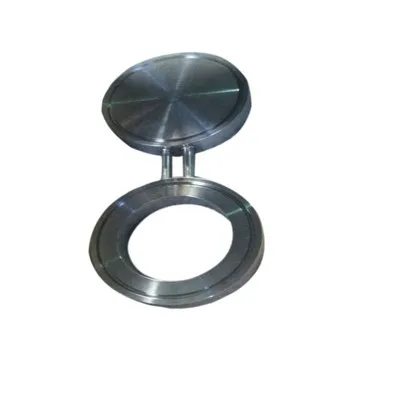
If you’re currently dealing with AS 2129 flange corrosion, or you want to make sure you’re selecting the right flanges for your next project, I’m here to help. We work with clients across all industries, from small construction projects to large mining operations, to supply high-quality flanges, provide corrosion assessment services, and offer practical advice tailored to your specific environment. Whether you need to troubleshoot an existing corrosion issue, source the right material grade for a new line, or set up a maintenance schedule, our team has the experience to get it right. Don’t wait for a shutdown to act—reach out to discuss your requirements and find the best solution for your needs.
Bs Flange References
- Standards Australia. AS 2129: Steel Flanges for Pressure Piping, Pressure Vessels and General Engineering purposes. Standards Australia, 2008.
- Roberge, P.R. Corrosion Engineering: Principles and Practice. McGraw-Hill, 2008.
- Cramer, S.D., Covino, B.S. (eds). ASM Handbook Volume 13A: Corrosion: Fundamentals, Testing, and Protection. ASM International, 2003.
- Australian Pipeline Industry Association. Corrosion Control Guidelines for Onshore Pipelines. APIA, 2019.
- Fontana, M.G. Corrosion Engineering, 3rd edition. McGraw-Hill, 1986.
Shanxi Xinshunda Flange Manufacturing Co., Ltd.
As one of the most professional as 2129 flange manufacturers and suppliers in China, we also support customized service with competitive price. We warmly welcome you to wholesale high quality as 2129 flange for sale here from our factory. For quotation, contact us now.
Address: Zhunagli Industrial Zone,jinchang Town,dingxiang,shanxi,china
E-mail: sales01@xinflange.com
WebSite: https://www.xinflange.com/
