Hey there, so you landed here because you’re either dealing with graphite blocks that won’t stop giving you headaches during transport, or you’re prepping to order a batch and want to make sure they show up intact—am I right? Full transparency, I’m a graphite block supplier, and over the last 7 years, I’ve seen way too many things go wrong with shipments that should’ve been simple: chipped edges, broken corners, dust contamination, even blocks that ended up with weird surface marks from careless loading. Let’s cut the corporate jargon, no stuffy manuals here—just real, hard-won tips that actually work, straight from the guy who’s handling these blocks before they leave my warehouse and getting the post-damage calls after they arrive. Graphite Block

First off, let’s get one thing straight: graphite blocks aren’t just random chunks of carbon. They’re brittle, porous, and they absorb moisture like a sponge if you’re not careful—trust me, I learned that lesson the hard way 3 years ago when a rain leak on a truck bed ruined an entire shipment of high-purity blocks for a metal smelter. But here’s the thing: most transport damage to graphite blocks isn’t inevitable. It’s preventable if you skip the lazy shortcuts and follow the basics that apply to every size of block, from tiny 2kg test pieces to 200kg monoliths. Let’s break this down step by step, like I’m walking you through our loading bay on a busy Tuesday.
Starting with pre-shipment prep—this is where 90% of issues start, and it’s way simpler than you think. First, you can’t just grab a block and wrap it in a sheet of bubble wrap and call it a day. Let’s talk about size first: if you’re dealing with small to medium blocks (under 50kg), you might be tempted to toss a bunch in a cardboard box, but cardboard gets soggy, tears, and doesn’t give the blocks enough structure to stop them from rattling around. Instead, use rigid, double-walled corrugated boxes—specifically ones with a 32 ECT (edge crush test) rating, not the thin stuff you use for shipping Amazon packages. For larger blocks (50kg to 200kg), forget boxes entirely—you need custom crates, not the generic pine crates you pick up at a hardware store. Generic crates have gaps, and those gaps let blocks shift. A quick hack I use: add a layer of 1-inch thick cross-laminated foam between the crate’s interior walls and the blocks. It’s not just cushioning—it stops vibration, which is the silent killer of graphite. Even a smooth highway ride has tiny vibrations that’ll chip an edge over time if there’s no buffer.
Wait, and don’t skip the dust contamination part—graphite is dirty, right? But not all graphite dust is bad. If you’re shipping blocks for aerospace or semiconductor use, even a tiny dust particle can ruin the entire end product. Here’s my go-to for prep: after we quality-check every block in our warehouse, we wipe down the surfaces with a lint-free, static-free cloth (not a paper towel—those leave tiny fibers) and then wrap each block in a food-grade polyethylene shrink wrap. Don’t use plastic bags, because they trap moisture. Shrink wrap fits tight, keeps dust out, and doesn’t cling to the block so bad it leaves a residue. For high-purity blocks, we double-wrap them—first the static-free cloth, then shrink wrap. That extra layer takes 2 minutes per block, but it saved me from a $12k claim last year when a delivery got delayed in a humid port and the blocks would’ve absorbed moisture without that second layer.
Next up: loading and securing. I’ve seen guys load blocks like they’re moving bricks—stacking them haphazardly, leaning big ones against small ones, using whatever random straps they have lying around. That’s a surefire way to get damage before the truck even leaves the yard. First, never stack graphite blocks directly on top of each other unless you’ve put a cushion between them. Even a 50kg block dropping 10cm onto another will chip the bottom of the upper one and crack the top of the lower one. For stacking, we only go 3 tiers max for small blocks, and 1 tier for blocks over 100kg. And for the love of all things graphite, don’t stack anything heavy on top of your blocks—no metal parts, no tool boxes, nothing. I once had a customer call me screaming because a 100kg metal wrench set crushed the corner of his blocks, and the guy delivering swears “that’s standard practice.” No, it’s not. It’s reckless.
Now, securing the load. Most people use regular nylon straps, but nylon stretches. When a truck hits a pothole or brakes hard, those straps loosen, and the blocks shift. What do I use instead? Polyester webbing straps with a rated tensile strength of at least 5,000 pounds—they don’t stretch, even over long drives. And here’s a pro tip I picked up from a trucker buddy: instead of just ratcheting the straps tight, wrap them around the load at 45-degree angles, not straight up and down. Straight straps pull blocks apart at the seams, but 45-degree angles distribute the force evenly. Also, add corner protectors on every exposed edge of the crate or stack. I use foam corner protectors you can pick up at any shipping supply shop—they take 10 seconds to slap on, and they prevent the kind of edge chips that make your blocks unfit for use.
Wait, what about long-distance vs. local deliveries? If you’re shipping blocks across the country, don’t use an LTL (less-than-truckload) carrier unless you absolutely have to. LTL carriers handle so many different shipments—heavy machinery, boxes of parts, furniture—that your graphite blocks are going to get jostled, stacked, and forgotten. We always use dedicated freight carriers for long hauls, ones that specialize in fragile or non-perishable heavy goods. And when you book a carrier, make sure you specify “graphite blocks, brittle, non-stackable on top, handle with care” on the bill of lading—don’t just write “fragile” because that means nothing to most drivers. I also add a handwritten note on the outside of each crate: “DO NOT STACK, GRAPHITE BRITTLE” in big, red marker. Drivers look at that, I swear. We also include a quick one-page sheet with the driver that explains how to load and secure the blocks, just in case they need a refresher—no one gets mad at a driver who’s prepared.
What about environmental factors? Rain, humidity, extreme heat—graphite is tough, but it has weaknesses. We once shipped a batch of blocks in summer with no weatherproofing, and when the truck hit a sudden thunderstorm, the shrink wrap got a small tear, and the blocks absorbed enough moisture to make them unusable for a battery manufacturer. Now, all our long-distance shipments get a weatherproof tarp that’s stretched tight over the entire load, with extra straps to hold it down. Even if the truck gets delayed, that tarp keeps rain, humidity, and even dust out. For cold climates, graphite doesn’t have issues with freezing, but condensation can form if the blocks were exposed to warm air after being in a cold truck. We leave the shrink wrap on until the blocks are at their final destination and ready to be unloaded, that way no condensation can get on them mid-delivery.
Unloading is the last step, and it’s where a lot of damage happens too. I’ve seen forklift drivers jab a fork right into the side of a crate because they’re in a hurry—bam, right through a graphite block. Or a guy hoisting a crate with a crane hook attached to the top of a crate, which crushes the corner. Here’s our rule: only use forklifts with soft, rubber-tipped forks, not metal ones. We also use crane slings made of fabric, not metal chains, because chains can scratch or tear through crates. And when unloading, never yank or drag the blocks—lift them straight up. If you’re working with large blocks, use a block lifter, not bare hands. I’ve seen a guy drop a 150kg block because he tried to carry it alone, and that’s a safety hazard too—don’t skip that.
Wait, let’s be real—even with all this, mistakes can happen. What do you do if something goes wrong in transit? Our policy is simple: take photos of the damage (all of it—close-ups of the chip, the label, the crate), don’t sign a delivery receipt that says “good condition” if you see damage, and contact your supplier immediately. We always ask customers to send photos within 24 hours of delivery, because graphite damage can sometimes be hidden inside the block and show up when it’s machined later. Don’t wait weeks to report it—that’s a quick way to get stuck with a shipment that’s unusable.
A lot of new customers ask me: “Is this all really necessary? Can’t we just save money on packing?” Let’s do the math. A single graphite block costs, say, $500. If you cut corners on packing and it gets damaged in transit, you’re out $500, plus the cost to ship it back, plus the delay in your project. The cost of good packing? It’s $20 or less per block. That’s a no-brainer, right? I’ve had too many customers try to save $10 on packing and end up losing hundreds, so I always tell them upfront: the cheap option is the expensive one.
At the end of the day, transporting graphite blocks isn’t rocket science. It’s about being intentional, not cutting corners, and knowing your stuff. I’ve been in this game long enough to see that every damage claim comes down to one small mistake: using the wrong box, not securing straps tight enough, skipping the weatherproofing. It’s the little things that add up to a good delivery.
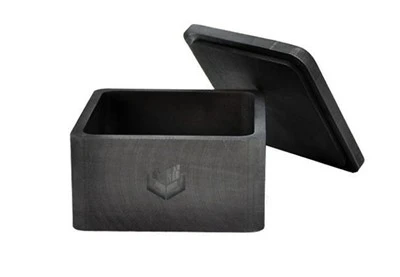
If you’re looking to order graphite blocks, or you have questions about your next shipment—whether you need custom crating, advice on carriers, or just someone to walk you through the packing process—hit me up. I’m here to make sure your blocks show up exactly how they left my warehouse, no headaches, no damage, no last-minute panics. We work with everyone from small machine shops to large aerospace manufacturers, and every single order gets the same care, because that’s how you build a business that lasts.
Carbon Fiber Composite Plate References:
- Society of Petroleum Engineers. (2021). Guidelines for handling and transporting high-purity graphite materials. SPE Paper 205689.
- International Organization for Standardization. (2019). ISO 12006-3: Construction works – Organization of information about construction works – Part 3: Framework for object-oriented information. Section on brittle material transport.
- Graphite Technology Association. (2020). Best Practices for Packaging and Logistics of Industrial Graphite Components. GTA Technical Bulletin 07-20.
Huixian Jincheng Abrasive Mold Factory
As one of the most professional graphite block manufacturers and suppliers in China, we have world-leading production equipment and strong manufacturing capabilities. Please rest assured to buy durable graphite block for sale here from our factory. Quality products and reasonable price are available.
Address: Mengzhuang Town, Huixian City, Henan Province
E-mail: graphite.jc@gmail.com
WebSite: https://www.graphite-jc.com/
